
 Gloves
 Hats
Hats Socks
Socks

Why Pickleball Overgrips Matter More Than You Think

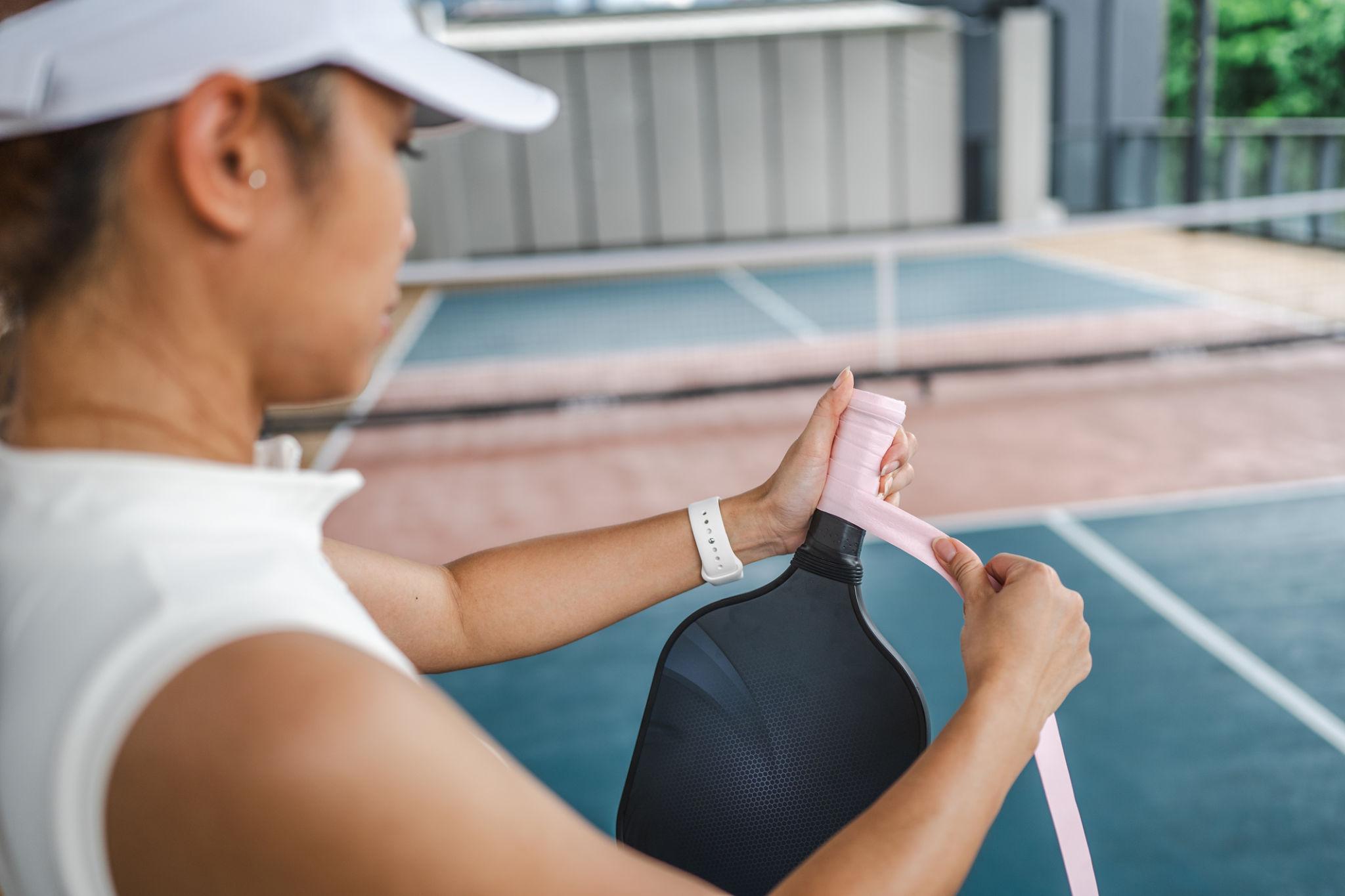
Many pickleball players spend hours researching paddles, balls, and shoes while completely overlooking one of the most important pieces of equipment—the overgrip.
A good pickleball overgrip can improve comfort, increase control, reduce hand fatigue, and even help prevent your paddle from slipping during critical points. Whether you’re a beginner or an experienced player, upgrading your overgrip is one of the easiest and most affordable ways to improve your game.
What Is a Pickleball Overgrip?

An overgrip is a thin layer of material wrapped around the paddle handle. It sits on top of the original grip and provides additional cushioning, tackiness, and moisture absorption.
Most players replace overgrips regularly because they wear out much faster than the paddle itself.
Benefits include:
- Better grip security
- Improved comfort
- Reduced vibration
- Enhanced paddle control
- Better sweat management
Why Your Grip Directly Affects Your Performance
Learn why a quality pickleball overgrip can improve comfort, control, and confidence on the court. Discover when to replace your grip and how to choose the right overgrip for your playing style.
Your paddle is only as effective as your ability to control it.
If your grip feels slippery or uncomfortable, you may experience:
- Missed shots
- Reduced spin control
- Inconsistent serves
- Hand fatigue during long matches
A fresh overgrip creates a more confident connection between your hand and paddle, allowing you to focus on strategy instead of constantly adjusting your grip.
Signs It’s Time to Replace Your Overgrip
Many recreational players wait too long before replacing their grip.
Consider replacing your overgrip if you notice:
1. Loss of Tackiness
The surface feels smooth or slippery.
2. Visible Wear
Fraying edges, peeling material, or discoloration.
3. Reduced Comfort
The handle feels harder than before.
4. Sweat Absorption Declines
The grip becomes slippery during hot weather or intense play.
For regular players, replacing an overgrip every few weeks is often recommended.
Tacky vs. Dry Overgrips
Not all overgrips feel the same.
Tacky Overgrips
Best for:
- Players who prefer a sticky feel
- Control-focused players
- Indoor play
Advantages:
- Excellent paddle security
- Comfortable feel
- Increased confidence during quick exchanges
Dry Overgrips
Best for:
- Players with sweaty hands
- Hot outdoor conditions
- Long playing sessions
Advantages:
- Better moisture management
- Consistent grip performance
- Less slipping in humid weather
How Overgrips Help Beginners
Beginners often assume better results come from buying a more expensive paddle.
In reality, a fresh overgrip can sometimes provide a more noticeable improvement.
Benefits for beginners include:
- Better paddle handling
- Increased confidence
- Improved shot consistency
- More comfortable learning experience
Because overgrips are inexpensive, they offer one of the best value upgrades available.
How to Install an Overgrip
Installing a pickleball overgrip is simple:
- Remove the old overgrip if necessary.
- Start at the bottom of the handle.
- Wrap upward with slight overlap.
- Maintain consistent tension.
- Secure the finishing tape at the top.
The process usually takes less than two minutes.
Choosing the Right Overgrip
When selecting an overgrip, consider:
Comfort
Look for cushioning that feels comfortable during long matches.
Grip Feel
Choose tacky grips for extra stickiness or dry grips for sweat control.
Durability
Frequent players may prefer thicker overgrips that last longer.
Playing Conditions
Outdoor players often benefit from moisture-absorbing materials.
Final Thoughts
While paddles often receive the most attention, overgrips play a major role in overall performance. A quality pickleball overgrip can improve comfort, enhance control, and help you play with greater confidence.
If you haven’t replaced your overgrip recently, it may be the easiest upgrade you can make to your equipment today.
 Indoor Pickleball Balls